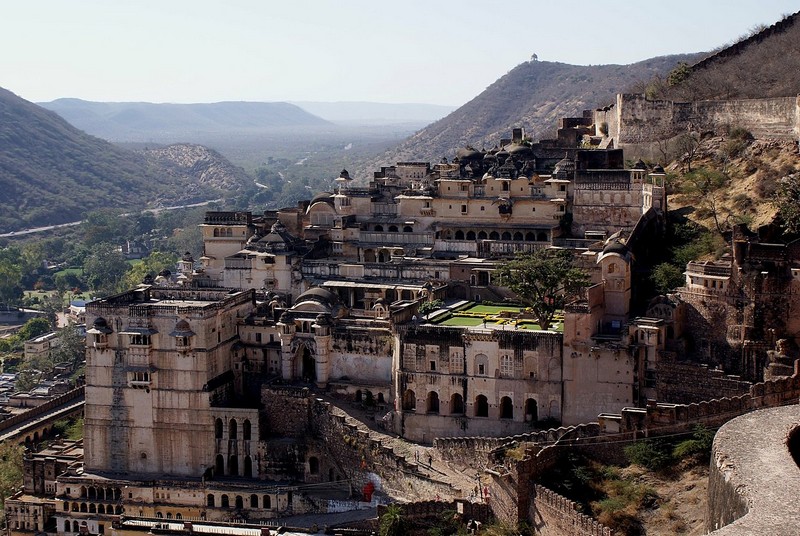
The Taragarh Fort was built in the 12nd century AD under the rule of the Chauhan empire. this stunning hillfort is known for its brilliant architecture, with its three massive gateways. A famous shrine inside the fort, Miran Saheb ki Dargah. It was named after Miran Saheb who was the commander or qiladar of the Taragarh Fort.
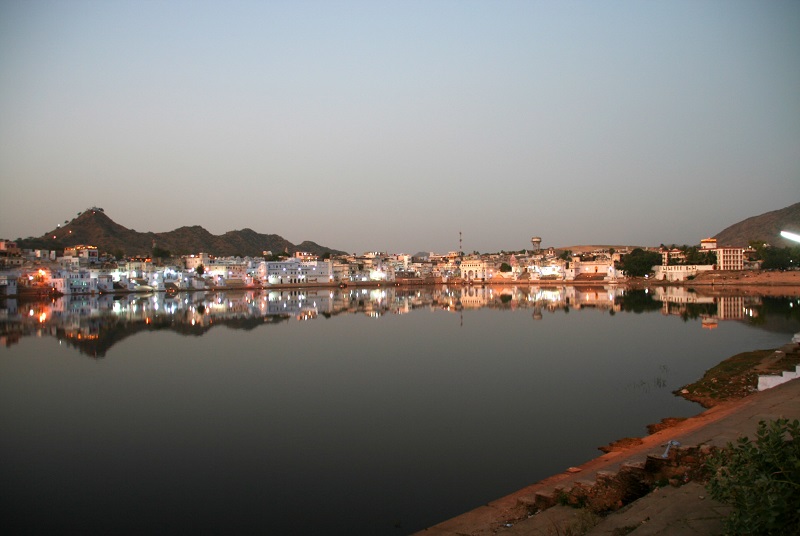
Just a short drive from the city lies this divine Ajmer tourist spot, home to the sacred Pushkar Lake and one of the few temples in the world dedicated to Lord Brahma. Revered as Tirtha Raj—the king of pilgrimage sites—Pushkar is also counted among the Panch Sarovar, underscoring its immense spiritual significance.
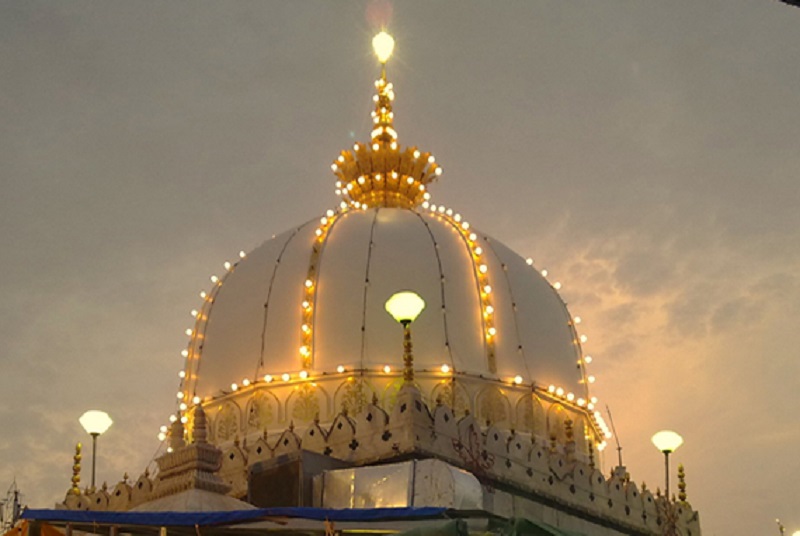
The Khwaja Gharib Nawaz Dargah Sharif, located in Ajmer, Rajasthan, India, is a revered Sufi shrine and a significant pilgrimage site for millions of devotees. It is the final resting place of the great Sufi saint, Khwaja Moinuddin Chishti, popularly known as Khwaja Gharib Nawaz, who was a spiritual leader of peace and love.
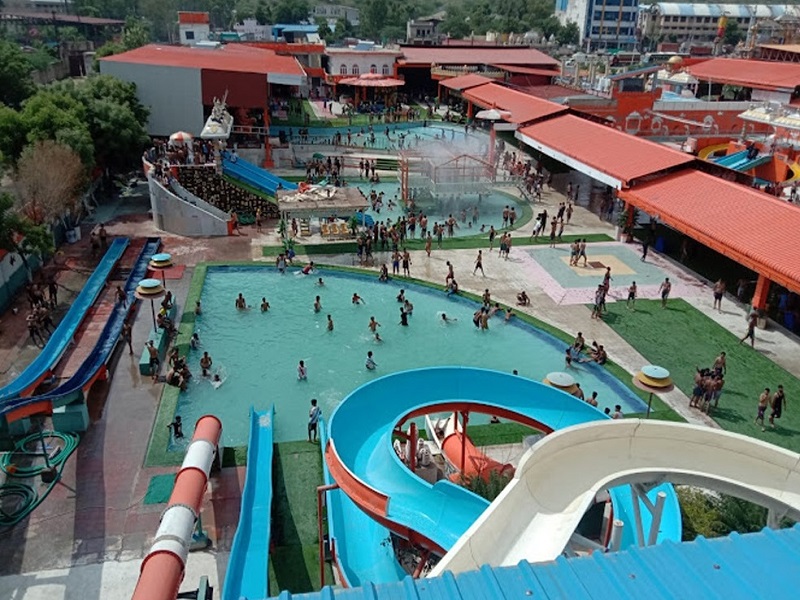
The Birla City Water Park is the topmost Ajmer water park that is not just the largest in the Ajmer city but one of the biggest in India. This Park welcomes you to a world filled with rides, exciting activities and games for both the adults and kids. toppling upside down while splashing, swooshing in the countless water pools that it houses.
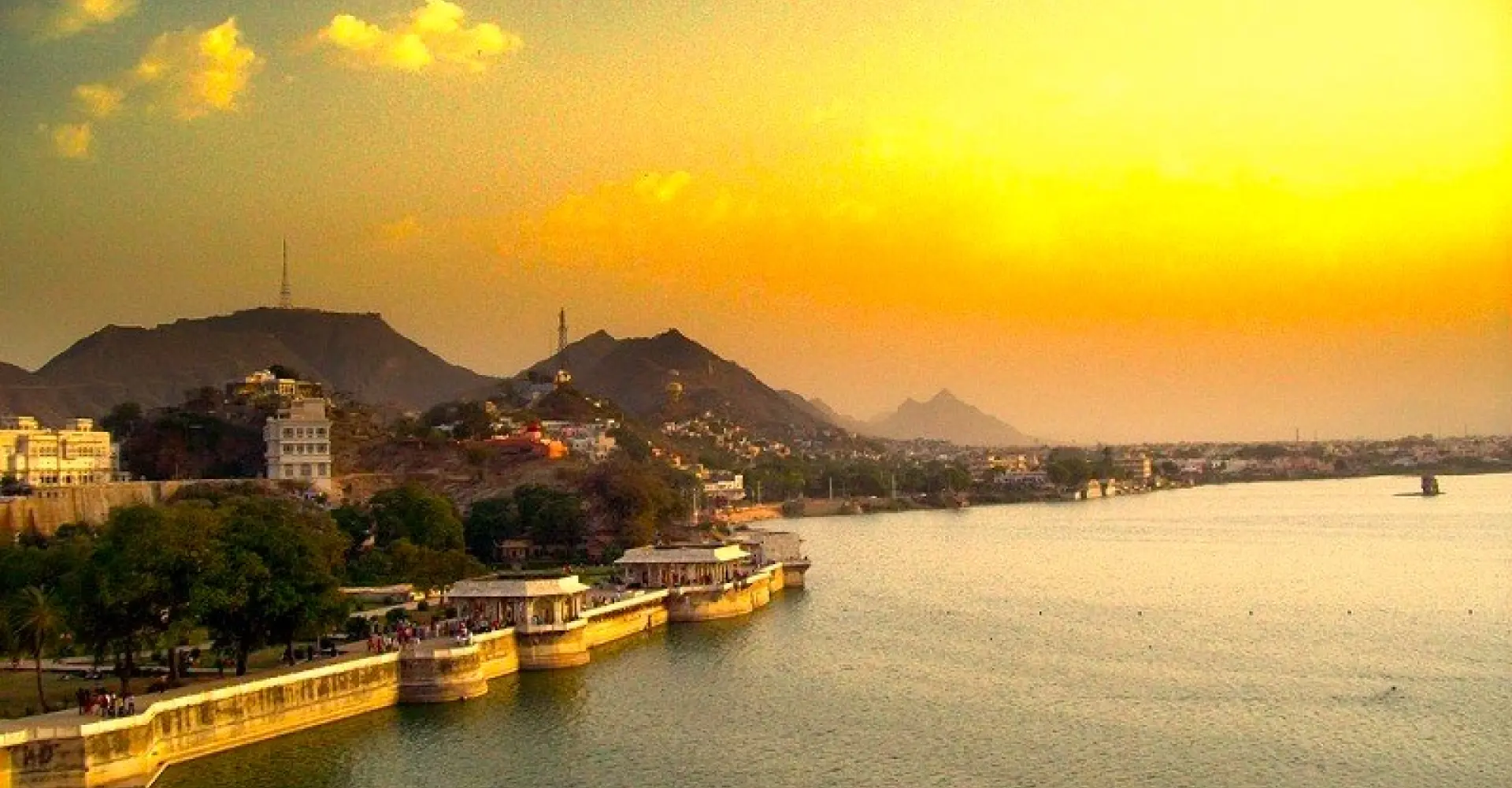
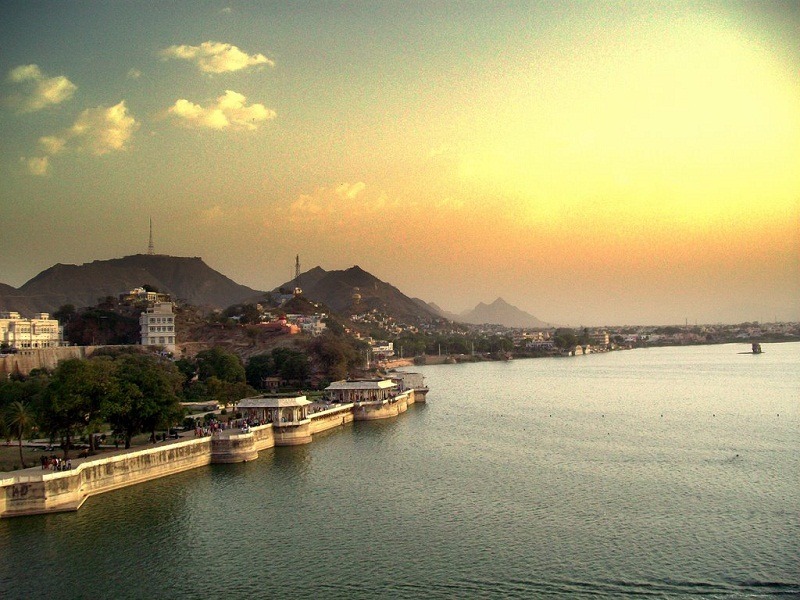
Ana Sagar Lake, located in the Ajmer, Rajasthan, is a magnificent artificial lake of historical significance. Built in the 12th century by King Anaji Chauhan, the lake spans over 13 kilometers and is surrounded by well-maintained gardens like Daulat Bagh. The lake offers a serene and picturesque atmosphere, attracting tourists and locals alike.
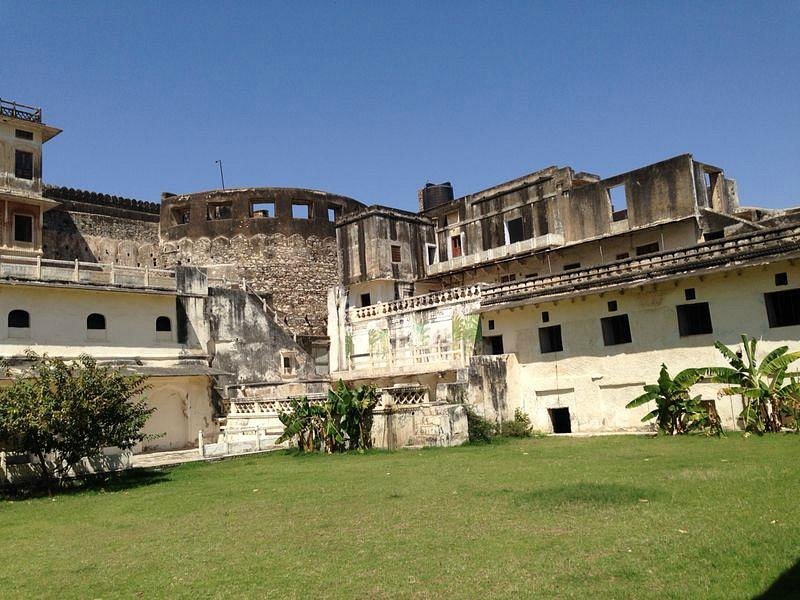
Kishangarh Fort is a beautiful fort located in Kishangarh, Rajasthan. On visiting the fort, one will see jails, granaries, armouries and other significant buildings present inside of it. The Durbar Hall is its biggest structure, and was the place where the kings carried out their official meetings on a daily basis. it has got to be Phool Mahal which showcases the glory of the kings.
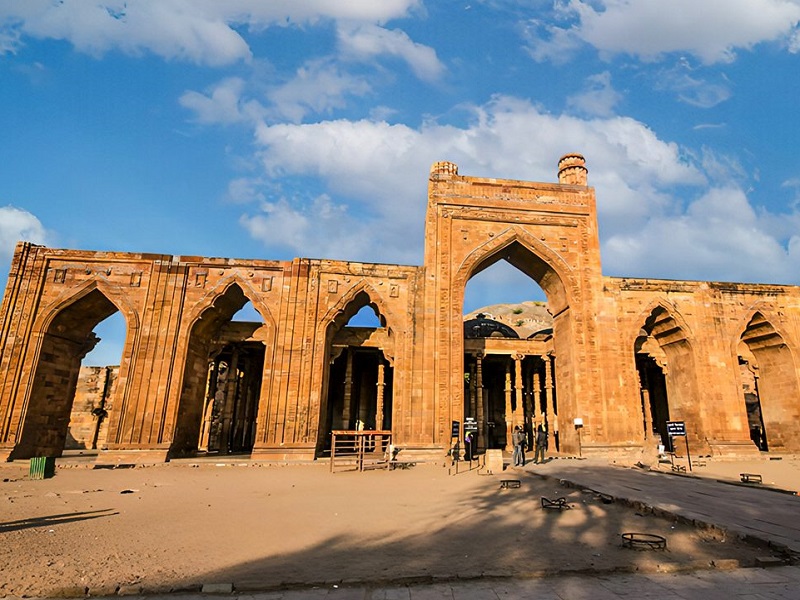
The Adhai Din Ka Jhonpda was originally built to function as a Sanskrit college but was later converted into a mosque by Sultan Ghori. An impressive blend of Indo-Islamic architecture, the structure was further beautified by Sultan Iltutmish. Legend has it that the mosque is known as Adhai din ka Jhonpda because of Urs of Panjab Shah Baba held here during Maratha period in the 18th century.
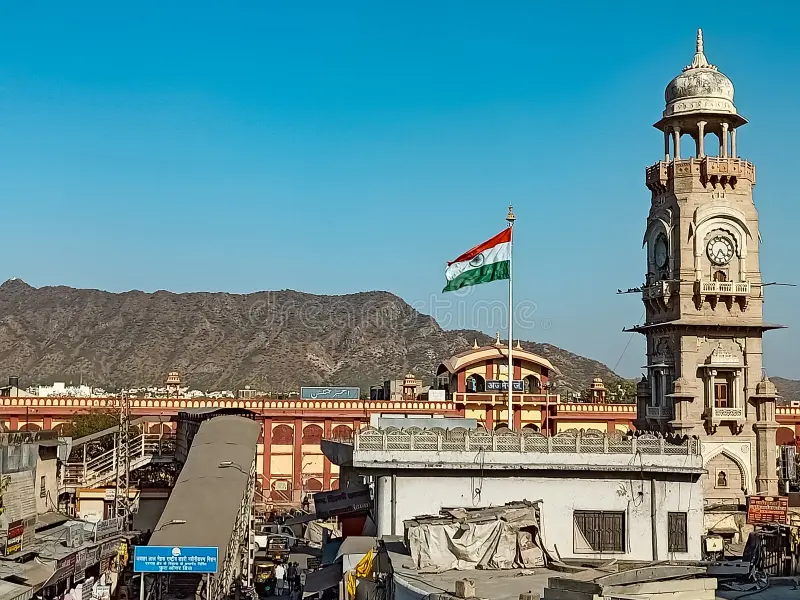
Ajmer is a city that has seen major influence from the British in its past. The British left their legacy in many forms in Ajmer, some of which are in the form of educational institutions and architectural buildings in the city. While a couple of these buildings are located in the heart of Ajmer, one that immediately catches the eye of the visitor is the Victoria Jubilee Clock Tower.
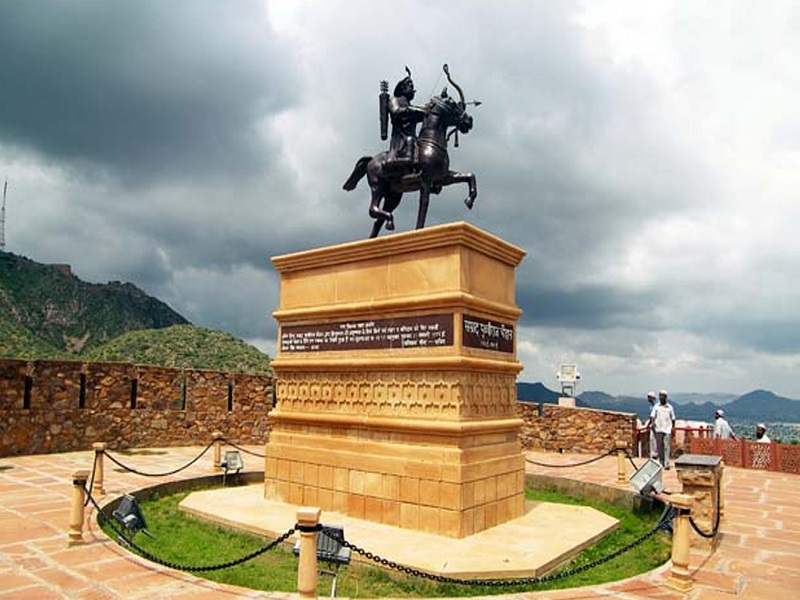
Prithvi Raj Smarak is a memorial made in the honour of the brave Rajput chief, Prithvi Raj Chauhan III. Regarded as the epitome of devotion and courage, he was the last ruler of the Chauhan lineage and was enthroned to rule over the twin capitals of the Ajmer and Delhi, in 12 th century. The memorial exhibits the statue of Prithvi Raj III seated on his horse, made in black stone.